
Why Fire Escapes Are Not Balconies: What Old New York Photos Still Teach Property Owners
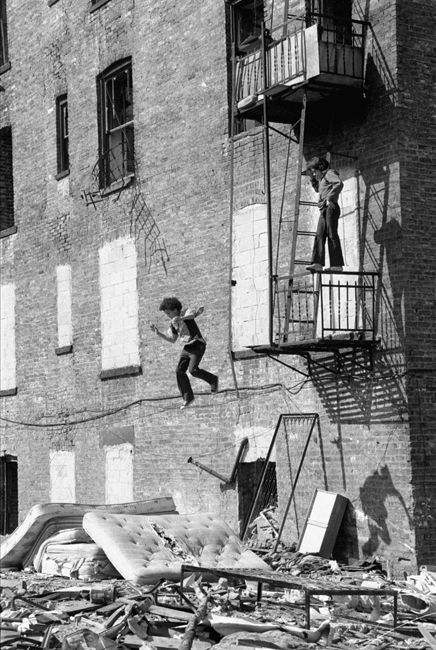
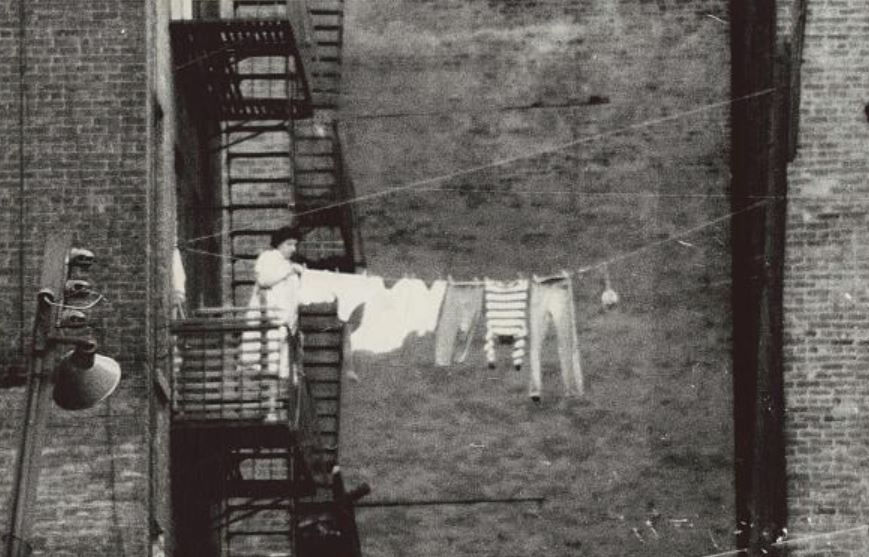
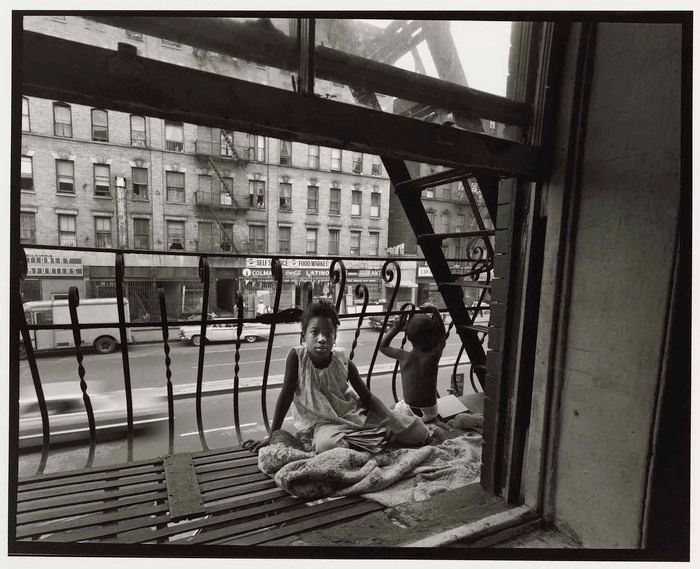
Old photographs from New York City often show people sitting on fire escapes, leaning on railings, hanging laundry, or using the platforms like small outdoor rooms. Those images are striking because they show how closely fire escapes became tied to daily urban life.
But they also highlight an important truth for property owners today:
A fire escape may have been used like a balcony in the past, but it was never meant to function as one.
That difference matters. Modern fire escape expectations are centered on emergency egress, structural integrity, unobstructed access, and inspection readiness. Historic use may explain how people once lived. It does not change what a fire escape is supposed to do now.

Why People Used Fire Escapes That Way
In older city buildings, especially tenements and dense apartment blocks, residents often had very little access to light, air, or private outdoor space. Apartments were small. Summers were hot. Ventilation was poor. In many cases, the fire escape became the only place to step outside without leaving the apartment entirely.
That is why so many historic images show:
people sitting on platforms
children leaning through railings
laundry hanging across metal frames
neighbors talking across narrow alleys
fire escapes functioning like exterior living space
From a historical perspective, that use is understandable.
From a life-safety perspective, it created a problem that is still relevant today.
A Fire Escape Is an Emergency Means of Egress
A fire escape is not a balcony, patio, porch, or storage area. Its purpose is to provide a path of escape during an emergency.
That means the system has to remain:
accessible
structurally sound
properly connected
free of obstructions
maintained for emergency use
Once a fire escape becomes everyday living space, its real purpose starts to get compromised. Furniture, stored items, planters, debris, or even informal day-to-day use can interfere with safe exit when time matters most.
This is one reason public safety messaging, even decades ago, emphasized keeping fire escapes clear.

What Historic Photos Really Show
Historic fire escape photos are useful, but not because they show a standard to follow.
They are useful because they show a contrast.
They show how people adapted buildings to daily life
Residents used fire escapes because many older urban apartments offered little comfort, airflow, or open space. The fire escape became an extension of the apartment out of necessity, not because it was designed for that purpose.
They show why fire escape safety had to become stricter
As soon as a fire escape starts being treated like normal exterior living space, it becomes easier for access to be blocked, for maintenance to be ignored, and for safety risks to increase over time.
For a property owner, that is the real lesson: history explains the misuse, but it also helps explain why modern expectations are stricter.
Why This Matters to Property Owners Today
A fire escape is part of a building’s life-safety infrastructure. It is not just exterior metal attached to a wall. It is a system that has to function under emergency conditions.
That means owners and managers should pay attention to issues such as:
rust and corrosion
peeling or failed protective coatings
loose bolts or deteriorated connections
compromised brackets or supports
unstable stair sections or platforms
blocked paths of egress
general neglect that reduces emergency reliability
A fire escape can look acceptable from the ground and still have significant problems. Corrosion, weak connections, and obstructed access often develop gradually over time.
Why “Looks Fine” Is Not Enough
One of the biggest mistakes owners make is assuming a fire escape is acceptable because it is still standing.
That is not the right standard.
The real question is whether the system is ready to perform as emergency egress. A fire escape has to do more than exist. It has to remain dependable, accessible, and structurally reliable when occupants need it most.
That is why inspections and maintenance matter. Small issues like coating failure, rust buildup, loose connections, or blocked platforms can turn into larger safety concerns if left unaddressed.
The Modern Rule Is Simple
Old photos may show people living on fire escapes.
Modern property management should not.
The fire escape should remain:
clear
functional
structurally maintained
reserved for emergency use
That is the correct way to view the system today.
A Better Way to Think About Fire Escapes
For owners, landlords, and property managers, the most useful mindset is this:
A fire escape may resemble a balcony, but it should be treated as emergency infrastructure.
That shift in thinking changes how the system is maintained. It keeps the focus on inspection readiness, structural condition, safe access, and long-term reliability instead of convenience or appearance alone.
How Atlantic Ironwork Restoration Approaches It
At Atlantic Ironwork Restoration, fire escapes are approached as life-safety systems first.
That means focusing on:
inspection readiness
corrosion identification
coating condition
structural correction
proper fastening and connection integrity
emergency function
For property owners, that approach supports safer buildings and a clearer understanding of what fire escapes are actually supposed to do.
Conclusion
Historic New York fire escape photos are memorable because they show how people once used these structures in everyday life. But the modern lesson is not that fire escapes can serve as balconies. The lesson is the opposite.
A fire escape must remain an emergency means of egress.
For today’s property owners, that means keeping the system clear, maintaining its structural condition, and treating it as critical safety infrastructure rather than usable exterior space.
Related Resources




Comments